Blaine Window Replacement: Windows, Doors and Glass
Expert residential and commercial window services. Condensation resistance quoted on every unit, and a free measured estimate anywhere in Anoka County.
Minnesota DLI residential building contractor license, number on your contract·Condensation resistance quoted for every unit, not only the U-factor·We pull the Blaine permit and upload the flashing photographs·Free humidity reading and a written scope before any deposit
Blaine Window Replacement handles window installation and repair, patio doors, entry doors and sealed glass units for houses and commercial buildings throughout Anoka County. We work in vinyl, fiberglass and clad-wood, we reglaze sound sashes rather than replacing them, and we quote the condensation resistance of every unit alongside its U-factor.
That second number is the one this climate turns on. The city permit application asks for the make, model and fenestration U-factor of each unit and caps it at .32, which Minnesota Rules 1322.0402 sets for climate zones 6 and 7. Nothing on that application asks how warm the interior surface of the glass will run at ten below zero.
So we measure indoor humidity before we measure openings, we name the spacer and the frame material on the proposal, and we say plainly when the right answer is a repair, a ventilation adjustment or nothing at all. Blaine runs from the Rice Creek corridor across to the Highway 65 commercial spine and out to the airport, and we cover every part of it from Northtown to the far side of the National Sports Center.
Our Window Services in Blaine, MN
Energy-Efficient Windows and Condensation Ratings
Blaine's permit desk asks for one performance number. Provide the make, model and fenestration U-factor for every unit installed, maximum .32.
Vinyl Replacement Windows
Vinyl earns its place in Blaine on physics rather than price. Rigid PVC conducts a tiny fraction of what aluminum does, so the frame corner and the sightline stay warmer.
Fiberglass Window Units
Pultruded fiberglass and the glass sealed inside it expand at very nearly the same rate. In a climate that swings roughly a hundred degrees across the year, that single property does more for long-term seal life than any coating or gas fill on the price sheet.
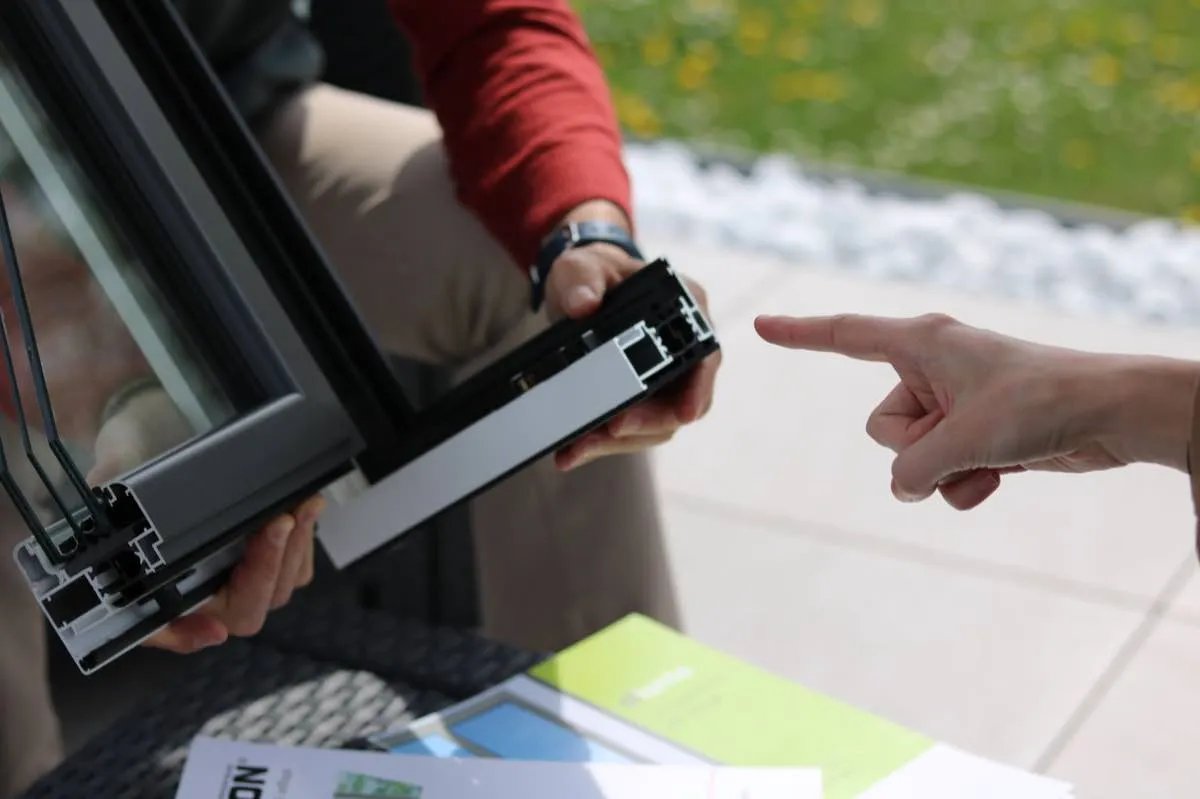
Clad-Wood Windows
A wood interior gives you the warmest sightline available in a Blaine house. Wood conducts far less heat than any other frame material sold, so the surface nearest the room stays closer to room temperature, and condensation resistance follows surface temperature directly.
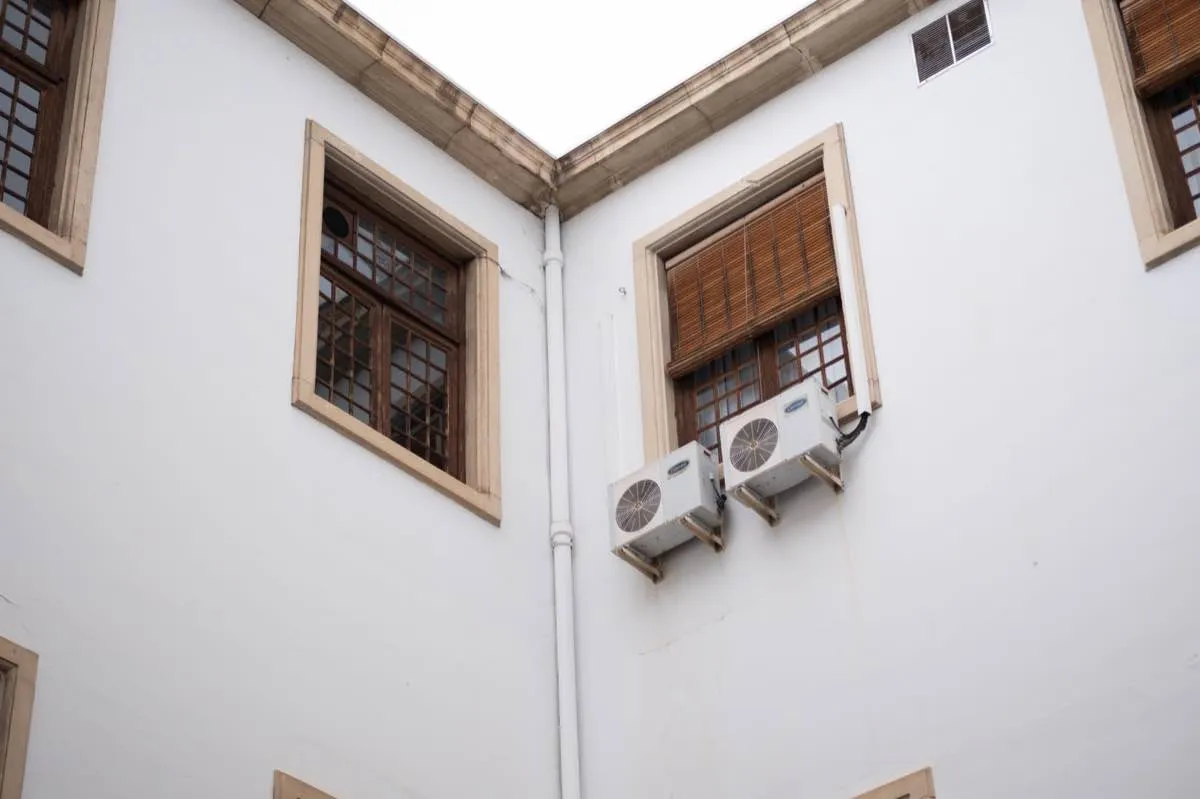
Aluminum Window Frames
We do not install aluminum windows in Blaine houses. Not thermally broken ones, not premium ones, not as a value engineering move.
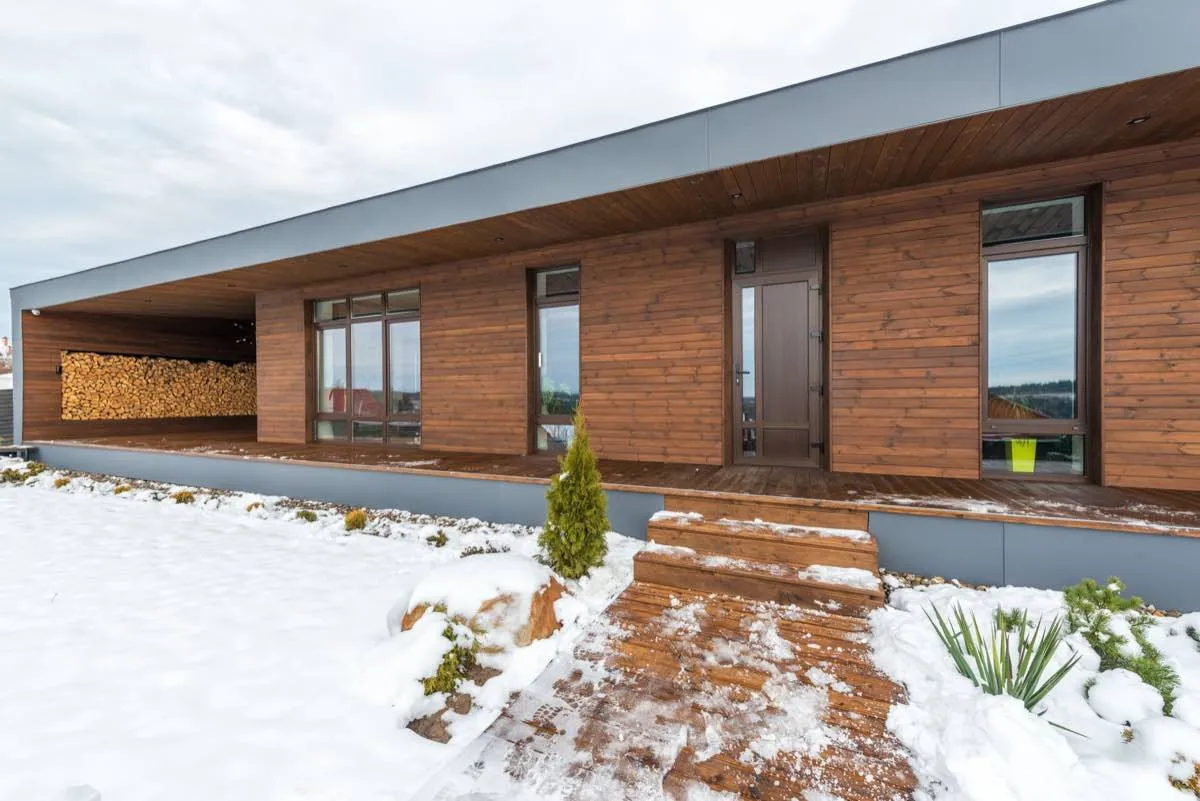
Double-Hung Windows
The coldest continuous line on a double hung is the meeting rail, and on most Blaine walls it sits at roughly eye level. That is why homeowners here see frost on double hungs well before it turns up on anything else they own.
Casement and Awning Windows
A casement seals by compression. The sash swings shut and squeezes a gasket flat against the frame all the way around.
Sliding Windows
A horizontal slider is the weakest condensation performer on this site, and saying so here is cheaper for both of us than letting you discover it some morning in January. The sealing mechanism is a sash dragging past a weatherstrip, and deep cold is precisely when that arrangement gives up.
Bay and Bow Windows
Here we most often talk a homeowner out of the product they arrived asking about. A bay or bow assembly is beautiful and it is the hardest shape to keep warm in a Blaine winter, because most of its surface area sits outside the plane of the insulated wall.
Picture and Architectural Windows
A fixed unit has no operating gap, no weatherstrip and no lock, so it posts the best air leakage and usually the best condensation number in any product line. The complication is what happens to a large cold surface in a room with no air moving across it.
Egress Windows and Basement Openings
An egress opening is a life safety requirement first and a window second, and in Anoka County it is also a drainage problem. Section R310 of the Minnesota Residential Code sets the opening.
Laminated and Security Glass
Minnesota has no wind-borne debris region. There is no hurricane exposure in Anoka County, no design pressure rating tied to a coastal zone, and no code provision requiring impact-rated glazing in a Blaine house.
Patio Sliding Doors
The sill track of a patio slider is the longest continuous cold line in a Blaine house, and it is on the floor. Everything the door sheds ends up there.
French Doors
A french door has a vertical seam down the middle of the opening, and in a Blaine winter that seam is where the frost lands. Everything about specifying these doors here comes back to how well the astragal and the lock hold two panels together against the cold.
Entry Doors
A front door in Blaine is asked to hold a sixty or seventy degree temperature difference across under two inches of material. Which material you choose decides whether the interior face stays dry in February or beads up along the bottom rail and the hinge stile every cold morning.
Glass Repair and Sealed Unit Replacement
Before you buy anything, wipe the glass. Most January calls we take about a fogged window are condensate on the room side of the glass, not a failed seal.
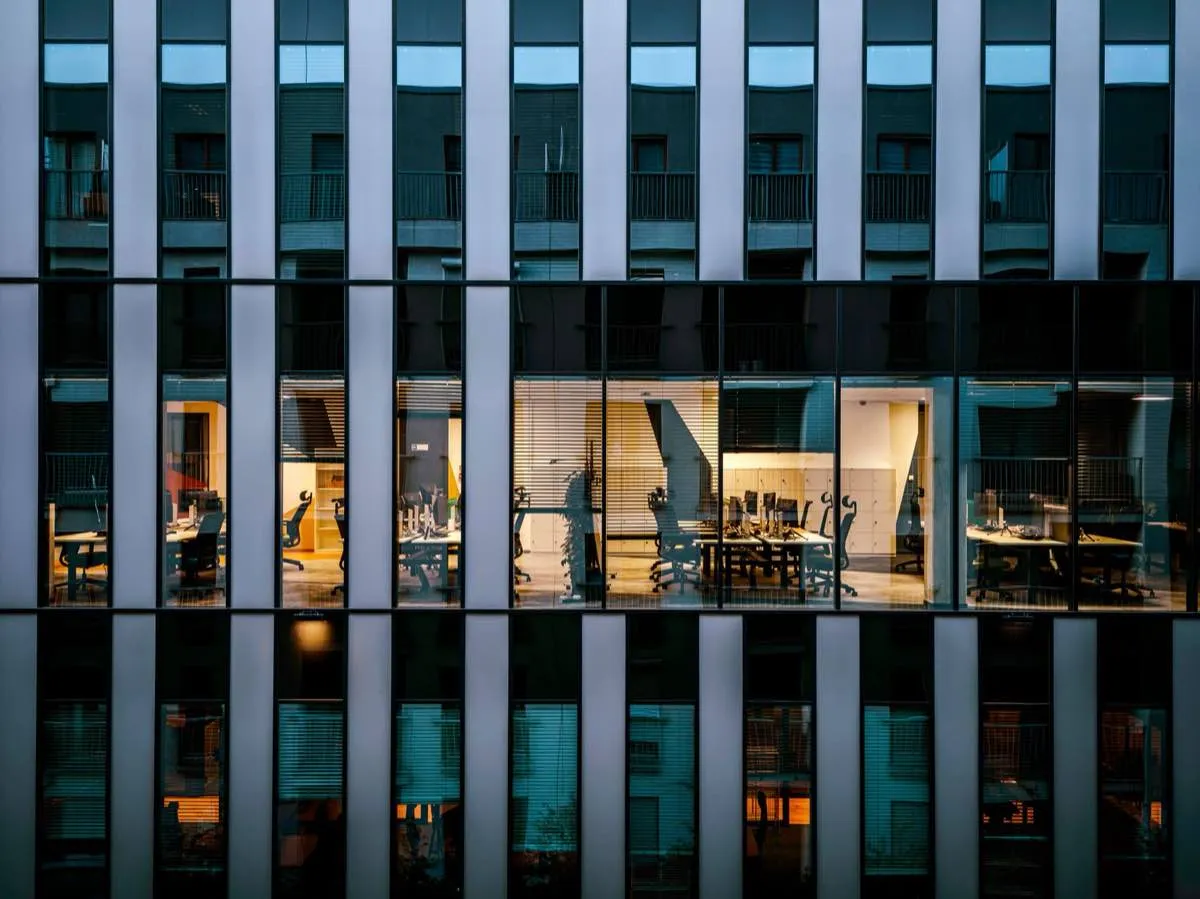
Commercial Storefront Glass
Commercial framing is the one place in this market where aluminum is the correct material, because the buildings it goes into do not behave like houses. A retail or office interior in Blaine runs far drier in winter than a home does, which changes the condensation math completely.
Why Blaine Chooses Blaine Window Replacement
- ✓Every quote carries the NFRC condensation resistance index next to the U-factor, and where a unit does not publish one we print that fact rather than leaving the line blank.
- ✓We take a room-by-room humidity reading at the estimate, because a house running the wrong winter humidity will frost windows we have not sold it yet.
- ✓We hold the Minnesota residential building contractor license even though window and door work alone would exempt us from it, which is the only route a customer has to the Contractor Recovery Fund.
- ✓We will ask you to wipe the glass and check the ventilation system before we quote anything, and a fair share of January calls end there with nothing sold.
- ✓Full-frame permits get the flashing, sealing and insulation photographs uploaded to the city file by us, and you receive the identical set for your own records.
- ✓We do not install residential aluminum frames in this climate at any price, and we will walk you through the surface temperature arithmetic rather than simply declining the job.
About Blaine Window Replacement in Blaine, MN
This is a window and door company organized around one measurement that most of the trade leaves off its quotes. Blaine's permit desk checks the fenestration U-factor and caps it at .32. Nobody checks the condensation resistance index, which is the number that predicts whether your glass will grow frost on a February morning, and it is optional on the NFRC label.
So we quote it. Every unit on a proposal from us carries a CR value, a named spacer and a frame material, and every estimate starts with a humidity reading rather than a sales presentation. We install vinyl, fiberglass and clad-wood, we reglaze sound sashes, we rescreen frames in the spring, and we handle thermally broken storefront work for commercial buildings.
Do not hire us if you want the cheapest units that will clear the permit, or if you have already decided on residential aluminum frames, which we will not install in this climate at any price. And if your windows are sound and your house is simply running too much winter humidity, we will tell you that and leave without an order rather than sell you glass that will frost the same way.
Communities We Serve
Blaine Window Replacement serves Blaine, MN and surrounding communities including:
How It Works
Humidity reading and opening survey
We start with a hygrometer and a tape, in that order. Winter humidity, the state of your ventilation system, and the surface temperature at the coldest sightline tell us whether you have a window problem or a house problem. Then we measure every opening and note which ones are candidates for repair.
A proposal that shows both numbers
Each line carries the unit, the frame material, the spacer by name, the U-factor and the NFRC condensation resistance index. Where a manufacturer does not publish a CR value we print that instead of leaving a blank. Elevations get different glass packages, and the proposal explains why on each wall.
Permit, order and lead time
We pull the Blaine permit for full-frame and insert work and for total exterior door replacement. The manufacturer's installation instructions travel with the units and stay on site for every inspection. You get the order confirmation with the glass specification on it before anything is built.
Install, photograph and adjust
Full-frame installations get the flashing, sealing and insulation photographed and uploaded to the permit file, and you receive the same set. We adjust rollers, balances and thresholds at the final walk, then come back once after the first hard freeze to reset anything the season has moved.
Recent Projects Across Anoka County and the north metro
Full gallery →
What Blaine Customers Say
They showed up with a hygrometer before a tape measure and told me the frost on my north bedrooms was a ventilation setting, not a window failure. Turned the HRV back on and it stopped. They still came back in spring and replaced the two sliders that were genuinely shot, and quoted the condensation numbers on both.
I asked for black frames on the west side of the house and got talked out of vinyl and into fiberglass, with the reasoning written down. Four summers later the frames look the same. They also pulled the permit and sent me the flashing photos they uploaded, which no other bidder even mentioned.
Our patio slider froze down every February. Instead of selling us a new door they rebuilt the sill drainage, put in tandem rollers and adjusted the sweep, then came back after the first hard freeze to reset it. It has not iced since. The bill was under a quarter of the replacement quote we had.
They quoted the egress window as a drainage job first and a window second, and tied the well into the footing drain rather than a rock pocket like the other bid did. Framing inspection passed the same week. Straightforward people who explain the code reasoning instead of waving at it.

Commercial storefront, entrances and glass service
Commercial buildings in Anoka County run drier interiors and far higher door traffic than houses do, so the specification changes completely. Thermally broken aluminum framing belongs here and nowhere else on this site. We glaze and reglaze storefront, install and service entrance systems, replace spandrel and insulated units in existing framing, and handle emergency board-ups.
Most of what a property manager here actually needs is door hardware that keeps working at ten below and an entrance that does not ice over, and we would rather spend a budget on that than on a glass package upgrade nobody will notice.
- ✓Thermally broken storefront and curtain wall framing with poured and debridged breaks sized against the local design condition.
- ✓Entrance vestibules, heated thresholds and pitched drained sills that keep a commercial doorway from icing in January.
- ✓Insulated and laminated unit replacement in existing framing, measured and ordered to match the original coating and thickness.
- ✓Spandrel panel replacement with back pan venting checked, since unvented spandrel is a common source of premature seal failure.
- ✓Door closers, pivots, panic hardware and thresholds serviced for cold-weather operation rather than adjusted once in summer.
- ✓Emergency board-up and next-day single lite replacement for retail frontage along the Highway 65 and Interstate 35W corridors.
- ✓Safety and security glazing where code or a tenant requires it, specified as one lite of an insulated unit.
- ✓Sealant and glazing schedules planned around Minnesota application temperature limits instead of pushed through in the cold.
Frequently Asked Questions
Do I need a permit to replace windows in Blaine?
Yes for most work. The city requires a building permit for installation of windows, both full frame and inserts, and for total replacement of exterior doors. Replacing glass, screens, wood parts and similar minor repairs is exempt, as is vinyl jamb liner weatherstripping for an existing sash. The application asks for the make, model and fenestration U-factor of each style, with a maximum of .32. We pull the permit and handle the submittal.
Why does frost form on the inside of my windows?
Because the interior surface of the glass or the frame has dropped below the dew point of the room air. Two variables control that: how warm the window keeps its room-side surface, which is the NFRC condensation resistance index, and how much moisture is in the house. In Blaine the second one is usually the culprit. Minnesota requires a balanced whole-house ventilation system, and a house running one poorly will frost brand new windows.
Is a lower U-factor always the better window here?
Not by itself. U-factor describes heat flow through the whole assembly; it does not tell you how cold the sightline and the frame corner will run, and those are where frost starts. A triple-glazed unit with a rigid aluminum spacer can frost before a double-glazed unit with a stainless warm-edge spacer does. Ask for both numbers and read the condensation resistance value first.
What indoor humidity should a Blaine house run in winter?
Lower than most people expect, and it should track the outdoor temperature downward. The practical ceiling is set by the coldest surface in the house, which is almost always a window sightline or a patio door track. Rather than quote a single figure, we take a reading at your estimate and tell you what your particular glass can carry before it sweats.
Can I replace only the fogged glass and keep the window?
Very often, yes. Where the frame remains sound, the hardware still operates and the sash has not racked, we measure the sealed unit and swap it in place. That is a fraction of the cost of a replacement and Blaine exempts glass replacement from the permit requirement. Where several units of the same age have failed at once, replacement usually makes better sense.
Are you licensed, and what does that actually protect?
We hold a Minnesota Department of Labor and Industry residential building contractor license. Under state law a firm providing only one special skill can operate without one, so many window companies here are legally unlicensed. That matters because the Contractor Recovery Fund pays only against a licensee, on a final judgment, up to $100,000 per owner and $550,000 in total per licensee, and only for direct out-of-pocket loss.